For Healthcare Providers
Upper Cervical Chiropractic in Vermont
At our clinic, our goal is to collaborate with other healthcare practitioners to ensure the best possible clinical outcomes for our shared patients.
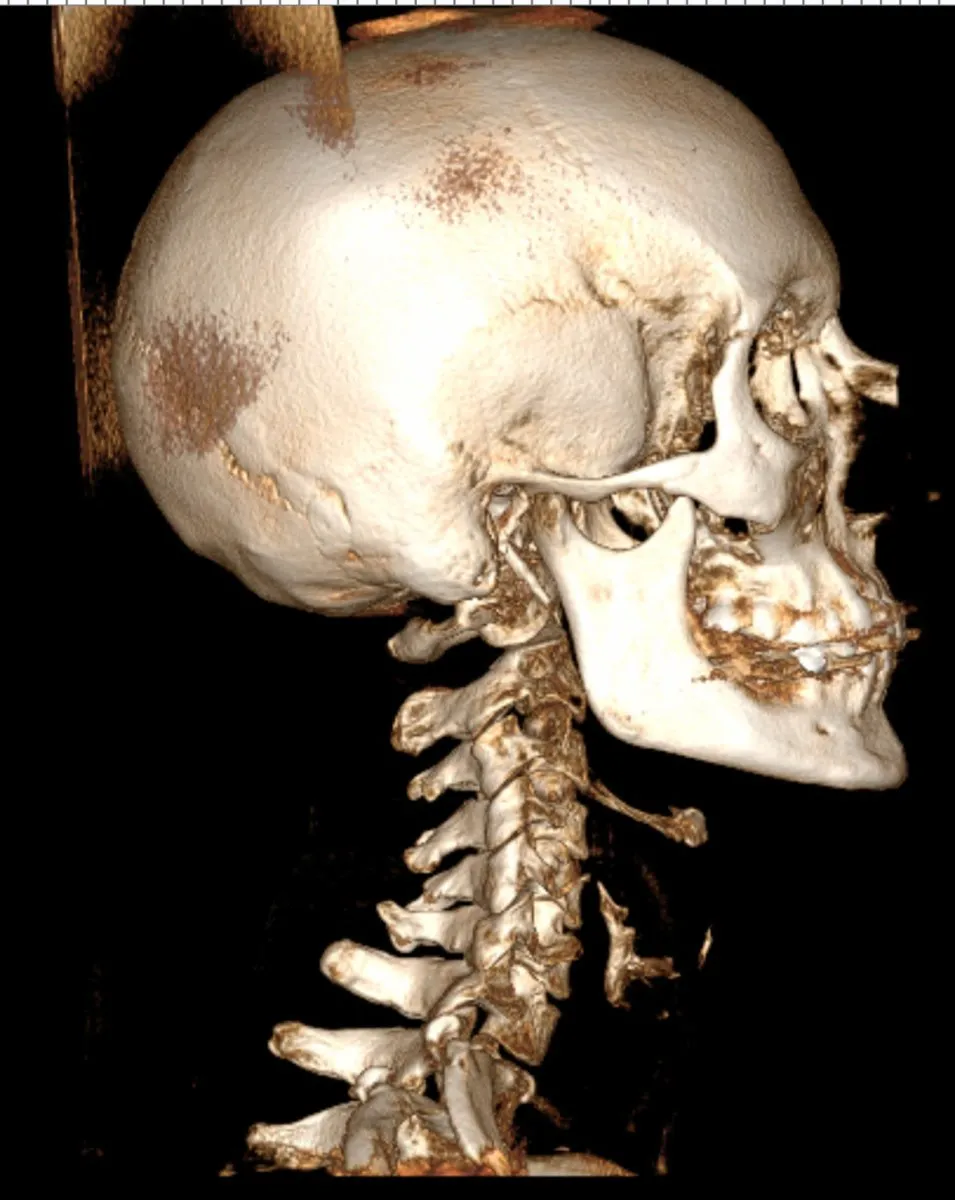
With NeuroStructural Chiropractic, particularly Upper Cervical Care, we focus on addressing structural issues of the spine, especially in regards to the craniocervical junction (CCJ). We recognize that many professionals with expertise in various fields contribute to our patients' full recovery, and we value working together to provide comprehensive care.
Due to the complexity and precision required to effectively manage the CCJ, we take great care in objectively measuring any structural and functional issues presented by the patient. Dr. McCanse is the only Chiropractor in Vermont to utilize the NUCCA and Orthospinology protocols and procedures. We utilize both digital X-Ray and 3D Cone Beam CT to assess the structure of the spine. New technology from NeckCare™ allows us to conduct objective assessments of range of motion, proprioception, and sensorimotor control. Our exam also includes an in-depth assessment of cranial nerves, reflexes, bilateral strength, balance and coordination and eye brain communication.
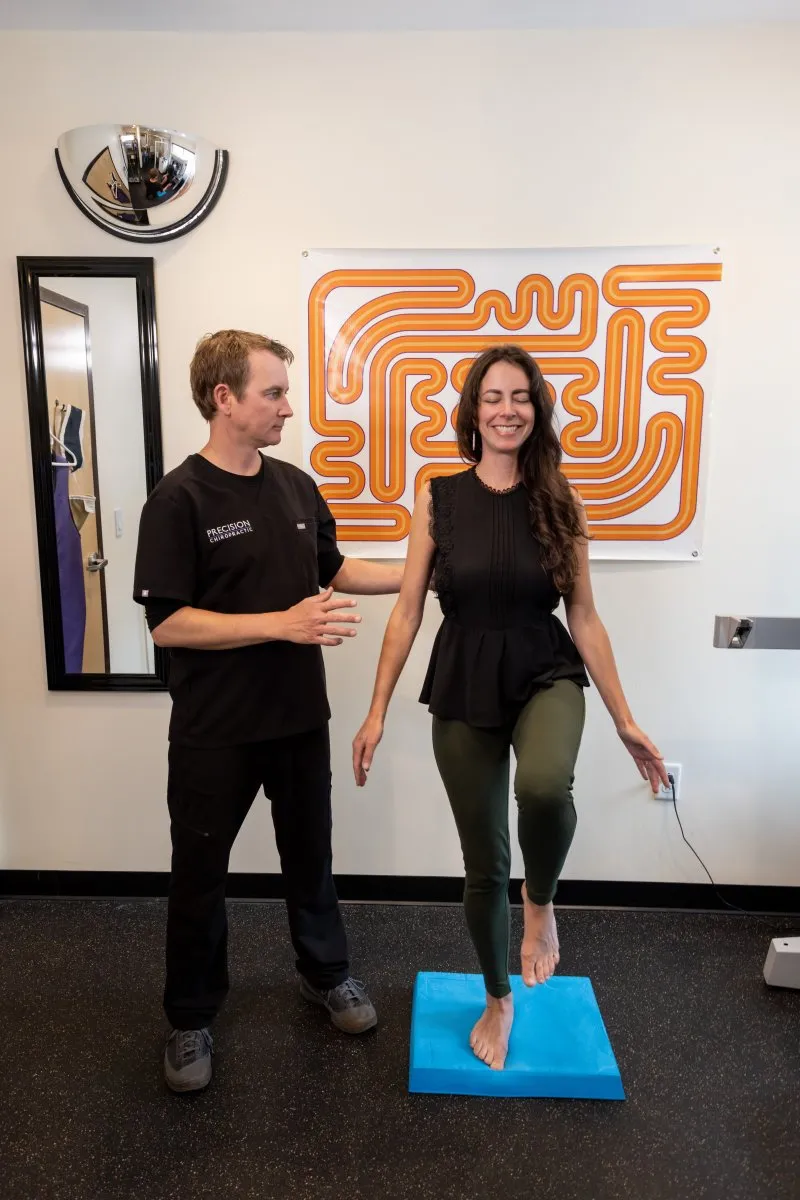
The CCJ is often overlooked or undermanaged by many practitioners, which can lead to significant dysfunction. Alterations in body posture and fluid dynamics are common signs of CCJ dysfunction. Mechanoreception at the CCJ is a key neurological driver that links the position of the body to the head. When untreated, CCJ injuries can cause failures of adaptation and postural imbalances. These imbalances can be objectively observed as functional leg length discrepancies and consistent tilting or twisting of the head, shoulders, and hips due to changes in paraspinal muscle tone.
Patients with CCJ injuries often present with a variety of symptoms, including:
- Cervicogenic headaches
- Migraines
- Neck pain and dysfunction
- Loss of balance or changes in gait
- Vertigo or dizziness
- Numbness or tingling in the extremities
- Post-exertional head pain
The severity and frequency of these symptoms typically correlate with the severity of the condition.
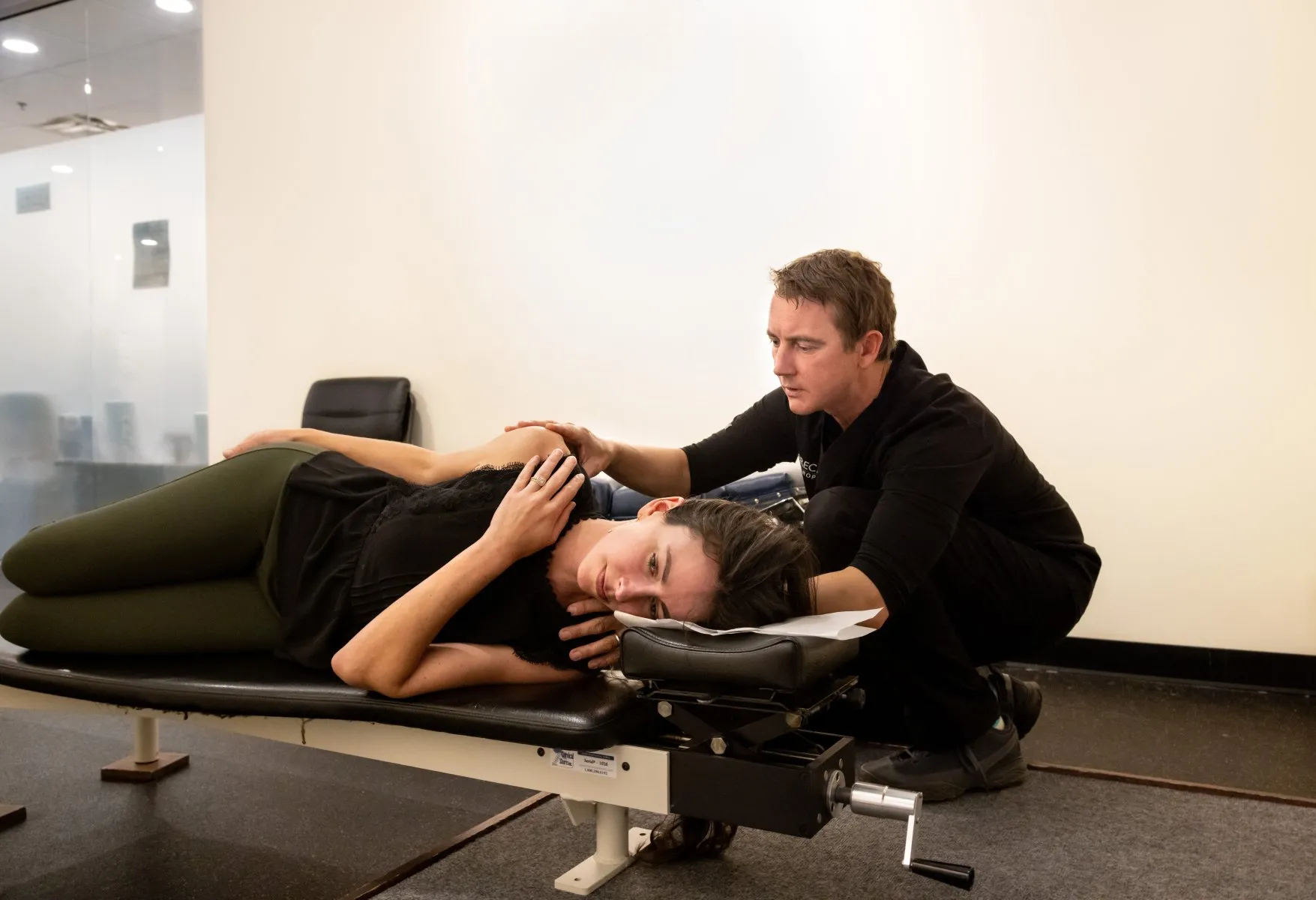
Given the sensitive nature of the CCJ, thorough assessment and precise intervention are essential. Our approach avoids generalized manipulation and instead focuses on rebalancing the head and neck through an exact, reproducible, and customized adjustment to the atlas using a precision instrument. This patient-specific correction, backed by research, has been shown to yield safe, effective results, often requiring fewer interventions to achieve measurable improvements.
If you have any questions about whether a referral is appropriate, please don’t hesitate to contact us. We work closely with a broad range of healthcare professionals, including medical doctors, optometrists, dentists, orthodontists, physical therapists, naturopaths, massage therapists, acupuncturists, personal trainers, and others who offer complementary care. We would be honored to be your trusted NeuroStructural chiropractor in Vermont.
“If your patient’s symptoms may stem from upper cervical dysfunction, we welcome the opportunity to collaborate and contribute to their recovery.”